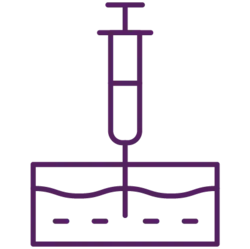
Subcutaneous injection
Insulin is administered under the skin and absorbed into the bloodstream.
Diabetes care continues to evolve through advances in glucose monitoring, medicines, insulin therapy and delivery systems, offering new approaches to diabetes management.
Insulin becomes available for diabetes treatment.
Insulin pens became another option for administering insulin.
Technology enables continuous insulin delivery.
Faster-acting mealtime insulin becomes available.
Made mealtime insulin available through oral inhalation using a handheld inhaler device.
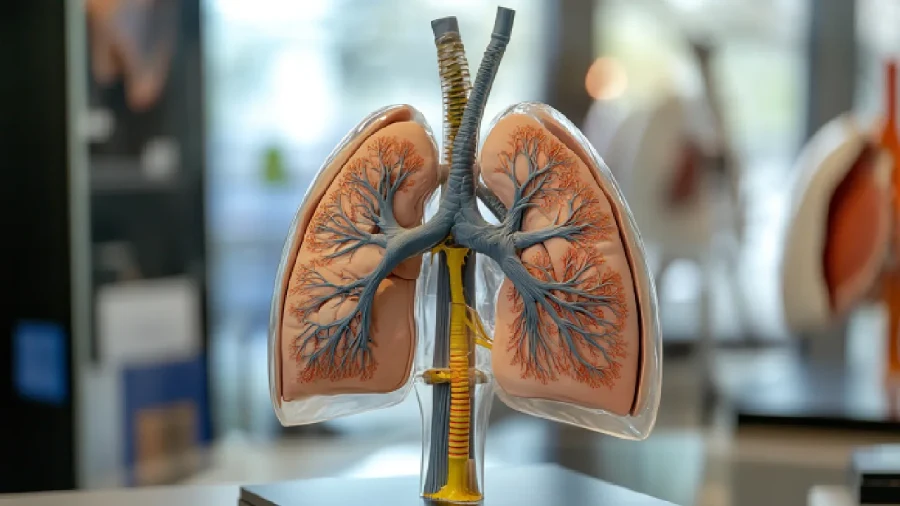
After inhalation, Inhaled Insulin travels to the lungs, where it can be absorbed into the bloodstream. From there, it works like insulin given by injection, helping glucose move from the bloodstream into cells where it can be used for energy.

Inhaled Insulin goes through the mouth using a small inhaler, delivering insulin to the lungs.

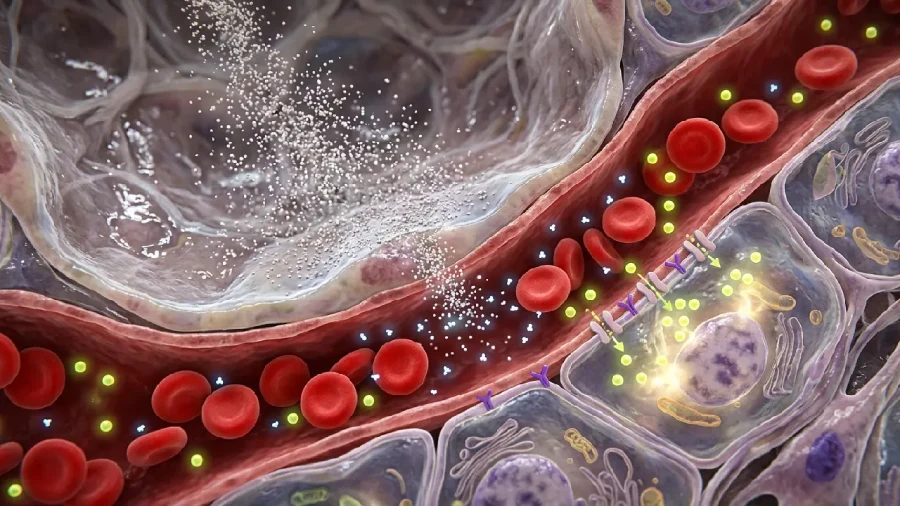
Insulin reaches the lungs, which provide a large surface area for its entry into the blood.

From the lungs, insulin enters the bloodstream and gets to work in the body.

Insulin helps glucose move from the blood into cells, where it can be used for energy.





Diabetes care is part of everyday life and treatment needs can vary from person to person. For some people, the way insulin is delivered may be an important consideration alongside their individual needs, preferences and lifestyle.
Inhaled insulin offers a different route for delivering mealtime insulin, which may be something to discuss with your healthcare professional.
Insulin can be delivered in different ways and the most appropriate approach depends on the individual.

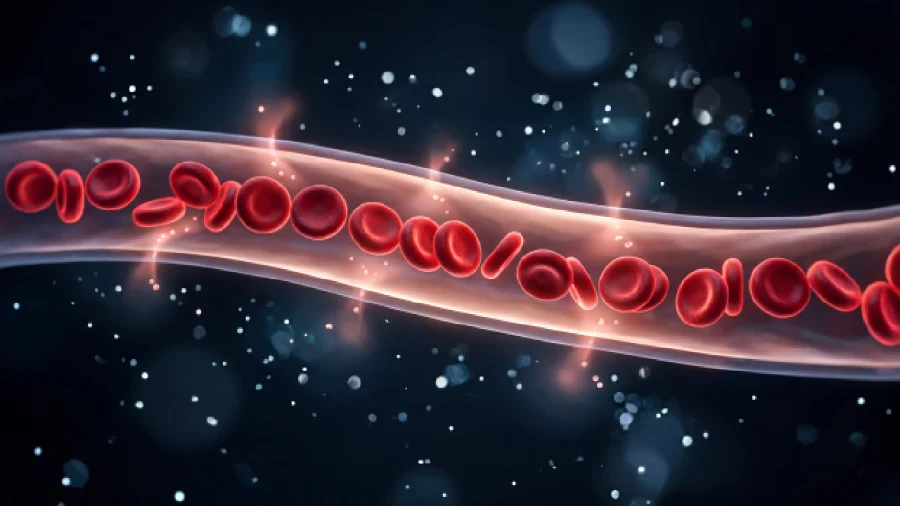
Insulin is administered under the skin and absorbed into the bloodstream.
Insulin is inhaled through the mouth and delivered to the lungs, where it is absorbed into the bloodstream.
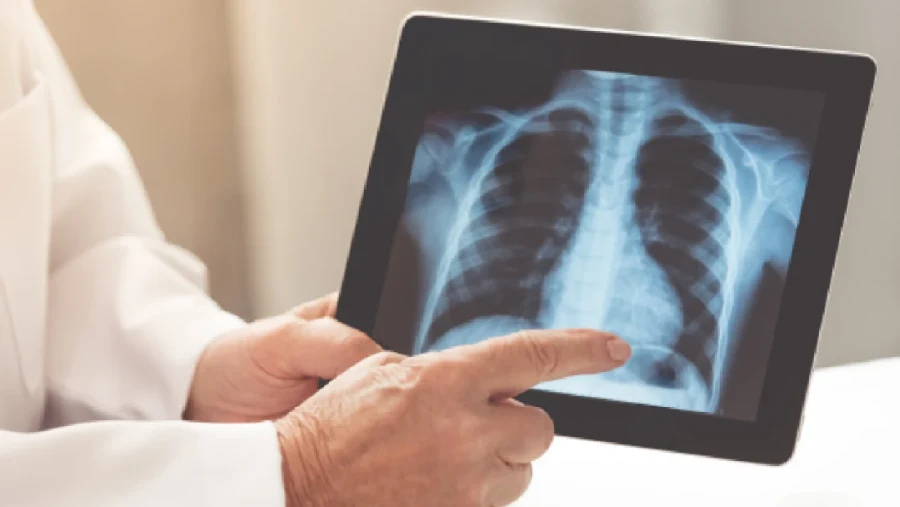
The lungs have a large surface area and an extensive network of blood vessels, allowing substances delivered to the lungs to be absorbed into the bloodstream.

The body naturally releases insulin in response to rising blood glucose after eating. Inhaled insulin provides a way to deliver mealtime insulin through the lungs, offering an alternative to injections.

Inhaled Insulin is delivered using a small, portable inhaler, offering another way to incorporate mealtime insulin delivery into different everyday settings.
For a closer look at how inhaled insulin is delivered, absorbed and works in the body, explore the science below.



Insulin therapy has evolved through advances in formulations, delivery systems and routes of administration. Understanding these approaches can support a discussion with your healthcare professional about appropriate treatment options.




I’m a teacher and inhaled insulin is part of my daily classroom routine to help manage my diabetes. Diabetes gives challenges each and every day, and this helps me overcome those challenges.
Karthika Iyer, Teacher
I appreciate having a needle-free mealtime option that works with my daily schedule.
Kuldeep Singh, Architect
I travel for business a lot hence meals aren't always predictable. Having an inhaled insulin option helps me feel prepared, even when plans change.
Ravi Khurana, Freelance Consultant
Reference: 1. Rahman MS, et al. Int J Mol Sci. 2021;22(12):6403.
2. Data from Cipla team.
3. https://www.youtube.com/watch?v=t11rQ4B9c2E.
4. Afrezza Prescribing Information (India): https://www.ciplamed.com/product-index/afrezza?product-speciality=.